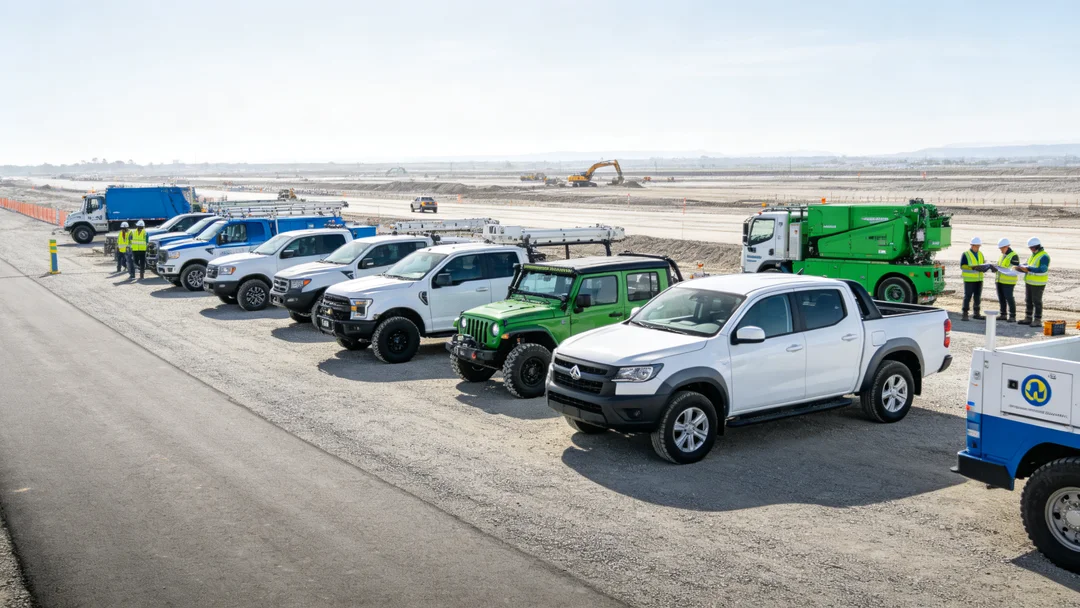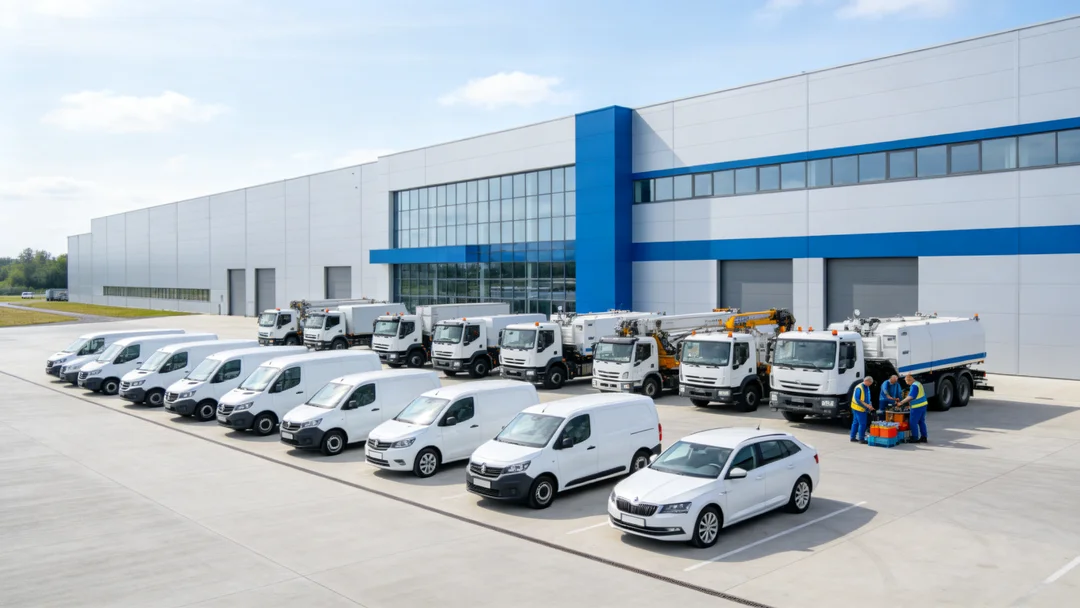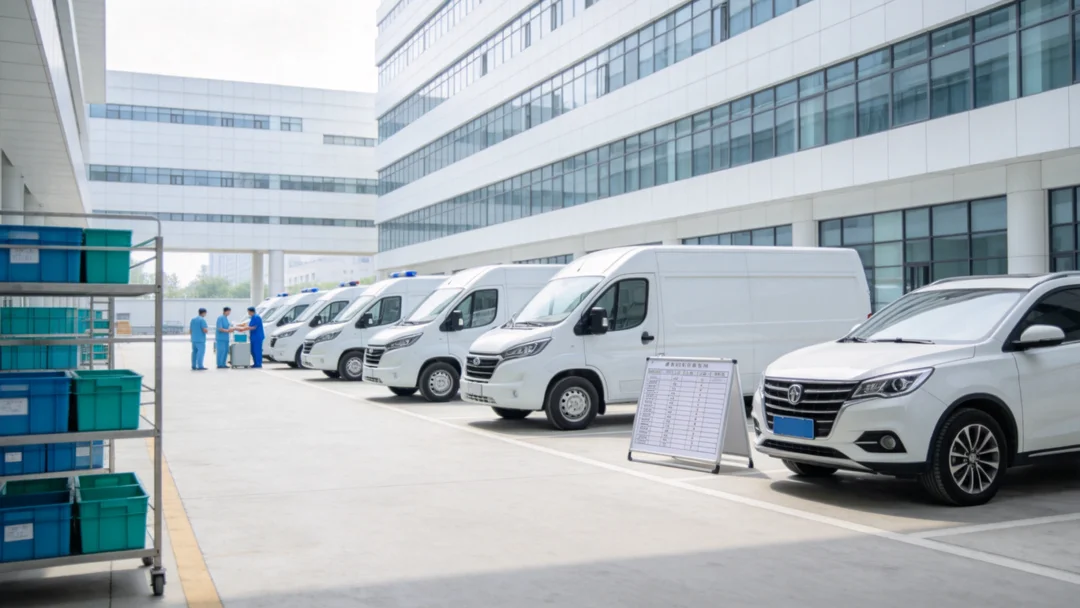

Public organizations
Standardize requests, approvals, dispatch, route checks, and cost audits around official travel policies.
- Multi-level approvals
- Central dispatch
- Route audits
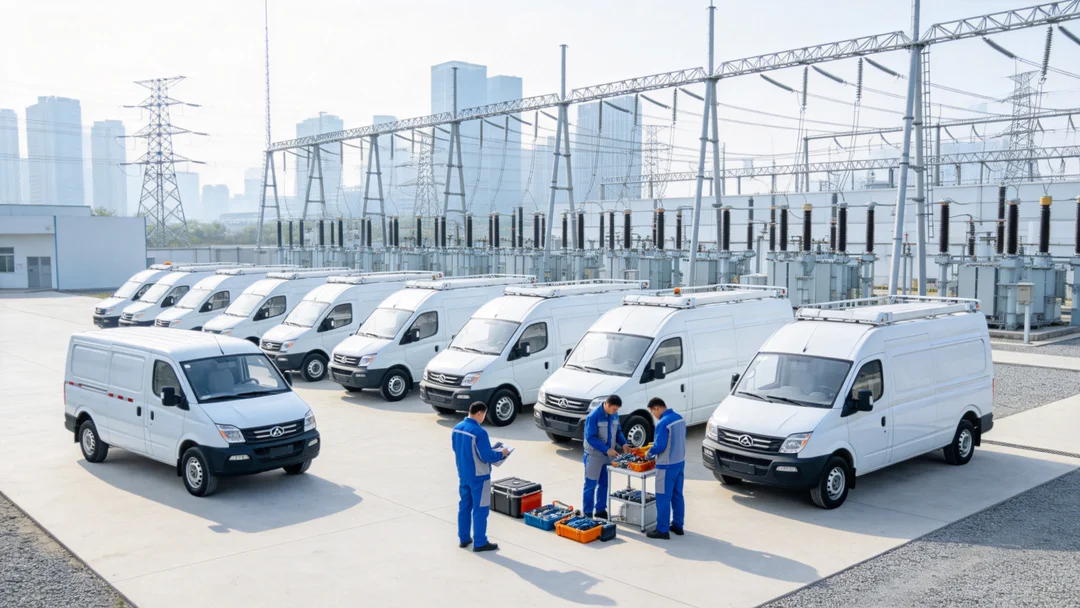
Standardize requests, approvals, dispatch, route checks, and cost audits around official travel policies.

Support repair, inspection, and field-service tasks by connecting task progress with vehicle routes.

Manage cross-department vehicles, service fleets, and production support vehicles while consolidating operating costs.

Support dispatch and process oversight for distributed projects, large territories, and extensive work fleets.

Support mission dispatch, vehicle positioning, safety inspections, and management of unsafe driving behavior.

Improve dispatch transparency and public-service response for ambulances, logistics, and service vehicles.
Organizations with field work, broad coverage, and diverse vehicles need one operational view.
Allocate vehicles according to tasks, vehicle status, location, and driver availability.
Cross-check task records with positioning, routes, geofences, and field reports.
Track licenses, vehicle condition, driving behavior, and exceptions in vehicle use.
Review attendance, costs, and exceptions by organization, project, vehicle, and task.
This page outlines common management priorities. Actual workflows, terminals, and collaboration capabilities depend on organizational policies, project design, and system configuration.
Public organizations, telecom and power teams, manufacturers, construction and surveying organizations, public-safety teams, and healthcare providers can evaluate a solution against their vehicle, field-work, and dispatch requirements.
Start with organizations and roles, vehicle types, task workflows, dispatch rules, oversight priorities, existing terminals, and connected business systems.
No. This page shows common priorities; the actual workflow, terminals, and collaboration capabilities should follow organizational policy, project design, and system configuration.